The Craft Lager Renaissance Is Here
If you've been sleeping on craft lagers, you're missing out on some of the best beers being made right now. For years, craft breweries treated lagers like the responsible older sibling nobody wants to hang out with, focusing instead on hops-forward IPAs and experimental stouts. But something shifted. Brewers started realizing that lagers are actually way harder to do well, which meant they were worth doing right.
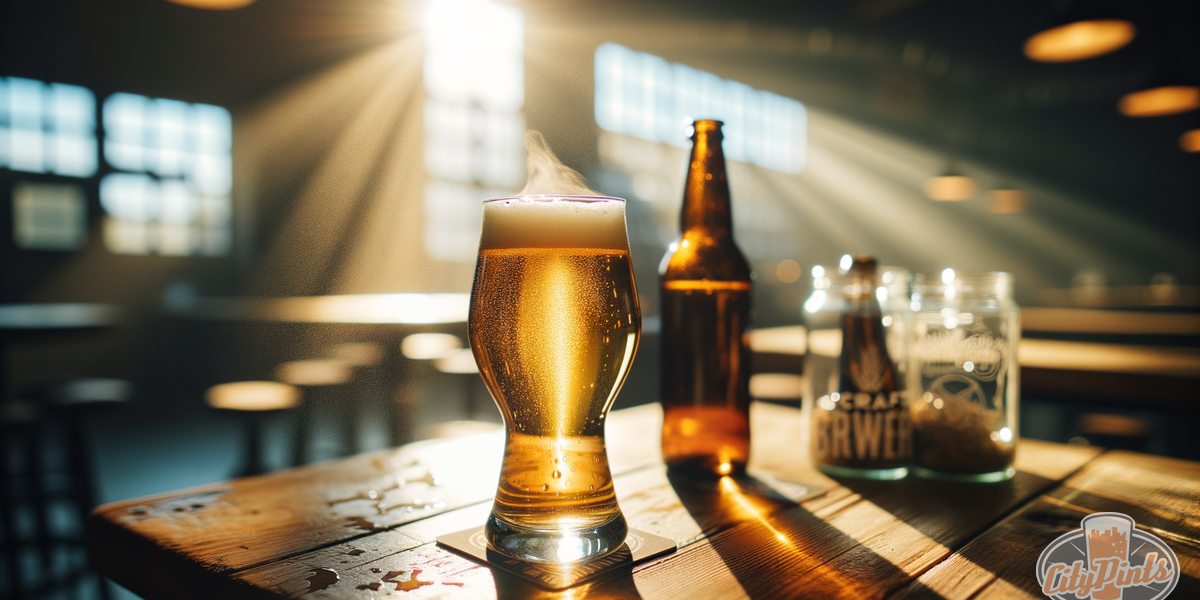
Here's the thing about lagers: they hide nothing. A bad IPA can bury its flaws under a pound of Citra hops. A lager? Every single flaw is right there in the glass, gleaming under the light like a confession. That's why craft lagers matter. When a brewery nails one, it's a statement about their technical chops.
Why Craft Lagers Took So Long to Get Respect
The reason many craft breweries ignored lagers for decades wasn't complicated: they take forever to make. While an IPA can go from grain to glass in a couple of weeks, a proper lager needs cold storage for weeks. That's not some romantic technical detail, that's overhead. It's money sitting in a cold tank not producing revenue.
Microbreweries launched in the 1980s and 1990s needed cash flow fast. Lagers required patience and capital. So they made ales, and ales became synonymous with craft beer in the American imagination. IPAs, pale ales, stouts, porters, wheat beers, sours, wild ferments, barrel programs, one-off experiments, you name it.
Then around the mid-2010s, something changed. Breweries got a little more stable. Some got bored making the same styles. And consumers started getting tired of the IPA arms race. The craft lager movement was born, quietly at first, then with growing momentum.
What You're Actually Drinking: Lager Styles Worth Seeking Out
The Modern Czech/German Pilsner
This is what happens when a craft brewer decides to show respect to one of beer's oldest and best traditions. These are dry, crisp, golden-yellow beers with floral and herbal notes coming from Saaz hops. They're not sweet, not heavy, not trying to be anything other than perfect versions of what a pilsner should be.
A proper craft pilsner should have a clean, slightly spicy finish. It should feel dry on your palate even though there's no residual sugar. The body is usually light to medium. You drink it cold, usually from a pilsner glass if you're being traditional about it, and it pairs with literally everything you'd throw on a grill or plate.
Examples you can actually find: Notch Brewing in Massachusetts makes Session Pils, which is exactly what a craft pilsner should taste like. Von Trapp Brewing in Vermont does the same thing with impeccable consistency. These aren't basement beers. They're at good beer bars across the country.
Mexican-Style Lager: The Trend That Stuck Around
The irony of the American craft beer boom is that for years, we ignored one of our closest neighbors' most successful beer category. Mexican lagers are clean, crisp, food-friendly, and designed to pair with lime and a comfortable afternoon. They're also incredibly hard to do well at scale.
A craft brewery's Mexican-style lager should be bright yellow, fizzy, with minimal flavor profile that somehow avoids being bland. It's a study in balance and technique. You're not looking for complexity. You're looking for refreshment and drinkability. It's meant to be the beer you grab at a backyard barbecue without thinking twice.
Suarez Family Brewery in Brooklyn practically pioneered the craft Mexican lager movement, and they're still doing it better than almost anyone else. Jack's Abby in Massachusetts has built an entire philosophy around lagers, including their Mexican-style offerings. These beers will convert you if you've been dismissing "light" beers as boring.
Kellerbier and Zwickel: The Hazy, Rustic Wave
Here's where craft brewers get to have fun with lagers. Kellerbier (cellar beer) and Zwickel are unfiltered, unpasteurized lagers, which means they're hazy and slightly yeasty. They're usually lower in alcohol (around 5-6%), meant to be drunk fresh and young, straight from the lager tank.
These beers have a rustic charm that feels intentional rather than accidental. They're slightly cloudy, they might have a little sediment, and they taste like they just came out of a Bavarian brewery's cold storage. There's something honest about drinking a beer that looks like it's still alive.
Firestone Walker's Pivo Pils isn't technically a kellerbier, but it captures that spirit of a lager that tastes like it was made with care rather than corporate calculation. You're looking for beers that feel a little rough around the edges in the best way possible.
Why Lagers Deserve Your Attention (And Your Money)
A craft lager forces a brewery to get the fundamentals right. The grain bill matters more. The water matters more. The temperature control matters more. The timing matters more. This is beer made with an understanding that perfection comes from restraint, not innovation.
If you've been a hop-head your whole life, a great craft lager might feel boring at first. But give it a chance. Taste it cold, fresh, alongside something to eat. Notice how it cleans your palate. Notice how it doesn't fight with your food. Notice how you can drink a whole one without feeling like you've had three.
That's not boring. That's restraint. And in the craft beer world right now, restraint is a radical move.
What to Pair with Your Craft Lager
The beauty of a good lager is that it's a beer designed to be part of something else. It's not designed to be the main character. So feed it something.
Tacos and lagers are a match made in beer heaven. The lime-friendly brightness of a Mexican-style lager cuts through fatty pork and brings out the heat of hot sauces. A pilsner does something different with that same taco, bringing out the spice in the seasoning.
Pizza, grilled meats, seafood, hot dogs, anything with fresh vegetables, anything smoky, anything with heat. These are beers designed to be social beers, meant to be consumed at the dinner table or around a grill, not alone on a couch.
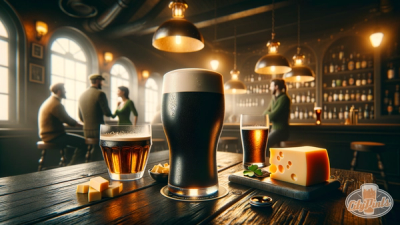
If you want to really understand a lager, pair it with the simplest thing you can find. Good bread, good cheese, some cured meat. Let the beer do the talking without a lot of competition.
Where to Find Them (And How to Order)
The good news: craft lagers are getting easier to find. The bad news: they're still not as ubiquitous as IPAs.
Hit up your local craft beer bar and ask the bartender what lagers they have on draft. If they look confused, you might have the wrong bar. If they light up and start recommending things, you've found your people. Look specifically for anything from Jack's Abby, Notch, Von Trapp, Suarez Family, or Firestone Walker. These are widely distributed breweries making excellent lagers.
Most craft lagers are best consumed fresh, right from the tap. Some travel okay in cans, but they're really designed to be draft beers, stored cold and consumed within a few weeks of being made.
If you're shopping at a bottle shop or grocery store and see a craft lager, it's probably worth trying. The fact that it exists in a market that's still dominated by IPAs and stouts means someone believed in it enough to make it and distribute it.
The FAQ
What's the difference between a lager and an ale?
The main difference is yeast and temperature. Lagers ferment slowly at cold temperatures with yeast that sinks to the bottom of the tank. Ales ferment faster at warmer temperatures with yeast that floats to the top. This means lagers take weeks longer to produce, but the result is a cleaner, crisper flavor profile. Lagers are more restrained. Ales are more expressive.
Is a light beer the same as a lager?
Not even close. "Light" usually refers to low-calorie, low-carb beers made by big beer companies. A lager is a fermentation style that can be applied to beers of any strength or color. A craft lager is usually fuller-bodied and more flavorful than a mass-produced light lager. One is a style, the other is a marketing category.
Why do people put lime in Mexican lagers?
Lime in Mexican lager is a tradition that probably started as a way to identify beer poured in outdoor settings where glasses might get confused. It stuck because it actually works, acidity brightening the beer's already clean flavor. But you don't need lime. The beer should be good on its own.
Are craft lagers more expensive than other beers?
They can be, because of the longer production timeline. But not always. Compare a craft pilsner priced at $5 a pint to a fancy hazy IPA at $7 or $8, and you might be getting better value. Most craft lagers in the $5-$7 range are well worth the cost.
Can I age a craft lager?
Some lagers age beautifully, but most craft lagers are meant to be consumed fresh. Check with the brewery, but unless it's a higher-alcohol lager with some complexity, crack that can open soon after you buy it. Fresh is almost always better for craft lagers.
The Recommendation
If you haven't had a really excellent craft lager, make it a priority this month. Find a brewery making pilsners or Mexican-style lagers, order a flight, start with their flagship, and pay attention. You're not going to have some mind-bending flavor experience. You're going to have a really, really good beer. And right now, that's the whole point. 🍺
Check out CityPints' full beer guides to discover more breweries and styles worth exploring in your area.
Enjoying Happy Hour?
Get weekly craft beer picks, brewery spotlights, and insider guides delivered to your inbox.