Skip the Green Beer: What to Actually Drink on St. Patrick's Day
Every March 17th, the same scene plays out at bars across the country: someone drops green food coloring into a light lager and calls it festive. Meanwhile, Ireland has one of the richest brewing traditions in the world — and you're drinking neon swamp water.
This year, do St. Patrick's Day right. Whether you're a committed stout drinker, an Irish red ale curious, or just looking for something better than whatever's on special at the nearest Irish-themed pub, we've got you covered. These are the craft beers worth raising a glass to on March 17th — and honestly, any other day of the year.
The Obvious Choice (That's Obvious for a Reason)
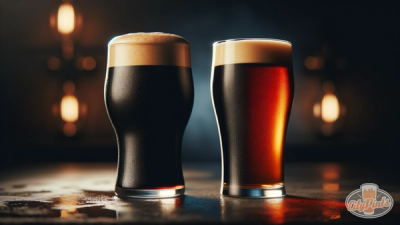
Let's get Guinness out of the way first, because it deserves respect even if it doesn't need the introduction. A properly poured pint of Guinness Draught — with the two-part pour, the cascade, the settled creamy head — is one of beer's great rituals. At just 4.2% ABV, it's lighter than most people think, with roasted barley bitterness, a touch of coffee, and that signature dry finish.
But here's the thing: Guinness is just one expression of Irish dry stout. The style itself is bigger than any single brand, and some of the best versions are coming from craft breweries on both sides of the Atlantic.
Irish Dry Stouts Worth Seeking Out
If you love what Guinness does but want to explore the neighborhood, these are your next stops.
O'Hara's Irish Stout from Carlow Brewing in Ireland is the one most beer nerds will point you to first. It's got the same full-bodied malt profile and creamy mouthfeel, but with a slightly more pronounced roast character and a finish that balances dry and sweet beautifully.
Murphy's Irish Stout, brewed in Cork City, takes a different path entirely. Where Guinness leans dry and roasty, Murphy's goes velvety — rich with coffee and chocolate notes, virtually no bitterness, and a smoothness that makes it dangerously easy to drink. If you think you don't like stouts, Murphy's might change your mind.
Beamish, also from Cork, is the deep cut for Irish beer history buffs. Founded in 1792, it predates Guinness (which has been around since 1759) and offers a slightly nuttier, more caramel-forward take on the style.
American Craft Takes on Irish Tradition
The best American craft breweries aren't just copying Irish recipes — they're channeling the spirit of the style with their own creativity. Here are a few doing it right.
Breckenridge Brewery's Nitro Irish Stout uses nitrogen gas to nail that creamy, cascading pour you know from Guinness. Irish barley delivers a malt-rich backbone with dark chocolate and coffee flavors, finishing dry and satisfying. It's a love letter to the original style.
Look for local nitro stouts at your nearest taproom, too. Many craft breweries release seasonal nitro-cans or put special nitro stouts on draft specifically for March. Ask your bartender — this is exactly the kind of thing they love to talk about.
For something bolder, seek out an Irish whiskey barrel-aged imperial stout. The marriage of dark roasted malt with vanilla, oak, and that smooth whiskey warmth creates something that feels like Ireland in a glass. Several American breweries release these as limited seasonal specials, so check your local brewery's March lineup.
Don't Sleep on Irish Red Ale
Irish stout gets all the St. Patrick's Day attention, but Irish red ale is arguably the more versatile, more food-friendly style — and it's wildly underappreciated in the American craft scene.
Smithwick's Irish Red Ale (pronounced "Smittick's," in case you've been wondering) pours a gorgeous deep ruby and lands somewhere between a stout and a pale ale. You'll catch roasty, coffee-like notes from the kilned malt, but the body is much lighter, with a biscuity, caramelly character that makes it incredibly drinkable.
Sullivan's Irish Red Ale goes even deeper on complexity — brewed with four kinds of malt and three types of hops. The malt blend delivers rich molasses, fresh bread, and caramel notes. It's the kind of beer that makes you wonder why more breweries aren't making Irish reds.
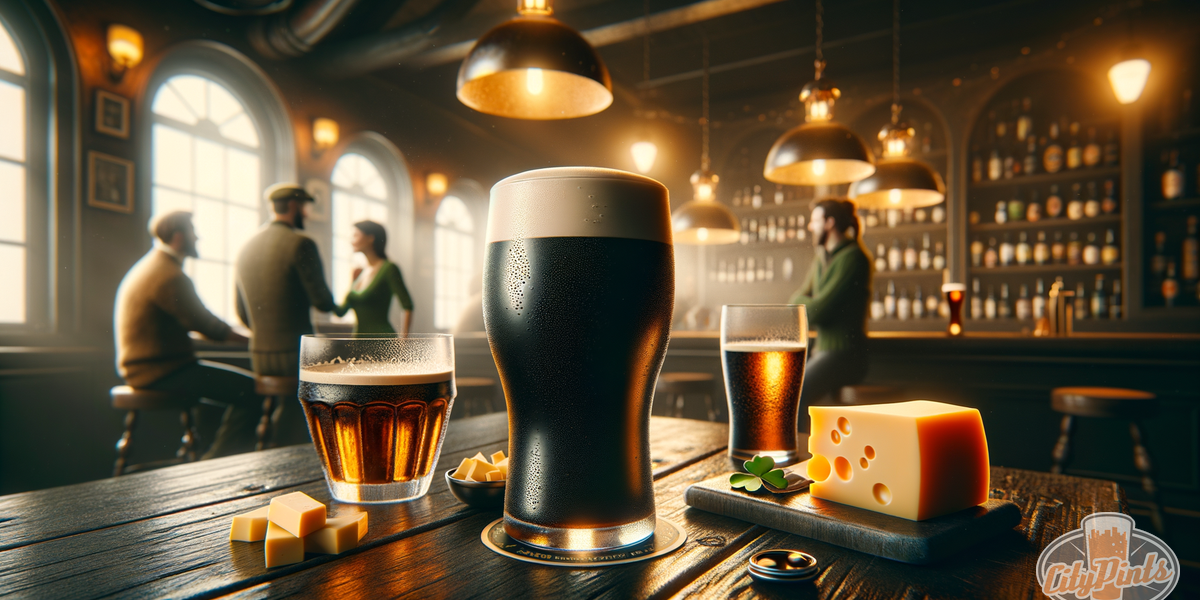
If you're sitting down to a St. Patrick's Day dinner — corned beef and cabbage, shepherd's pie, Irish soda bread — an Irish red is probably a better pairing than a stout. The lighter body and malt sweetness complement hearty, savory food without overwhelming it.
The Non-Alcoholic Option That Actually Delivers
The NA beer space has come a long way, and St. Patrick's Day shouldn't leave non-drinkers out of the celebration.
Guinness 0.0 recreates the familiar stout experience surprisingly well — roasted barley, dark color, smooth mouthfeel, and the same coffee-and-chocolate notes that define the original. It's not identical, but it's close enough to make you do a double-take.
Athletic Brewing's Emerald Cliffs is an Irish-style dry stout built specifically for this moment. It's a touch sweeter than Guinness 0.0, with a clean roast character. If you're looking for a craft NA option that respects the tradition without watering it down, this is it.
How to Actually Pour a Stout
Quick primer, because it matters more than you think. If you're pouring from a nitro can (like Guinness or any nitro craft stout), pour it hard — tip the glass and pour straight in at a 45-degree angle, then level the glass and let it fill. Let it settle for about two minutes. That cascade isn't just for show; it's the nitrogen creating that creamy, velvety texture.
If you're at a bar, a proper two-part pour means the bartender fills the glass about three-quarters, lets it settle, then tops it off. It takes a little patience, but the result is worth it. And if someone hands you a Guinness with no head, send it back. We're not animals.
The Bottom Line
St. Patrick's Day is one of the few beer holidays that actually has a deep, authentic brewing tradition behind it. Skip the green food coloring. Skip the "Irish" beer specials that are just regular lagers with shamrock labels. Instead, pour yourself something that actually honors what Irish brewers have been perfecting for centuries — whether that's a dry stout, a red ale, a barrel-aged monster, or a well-made NA option.
Find a brewery near you that's doing something special for the holiday at CityPints. Chances are, your local taproom is pouring something worth trying this March 17th.
Slainte. 🍺
Frequently Asked Questions
What's the best beer to drink on St. Patrick's Day?
A proper Irish dry stout is the classic choice — Guinness is the standard-bearer, but O'Hara's, Murphy's, and Beamish are all excellent alternatives. If stouts aren't your thing, an Irish red ale like Smithwick's or Sullivan's is a great option that pairs better with food.
Is Guinness actually Irish?
Yes. Guinness has been brewed at St. James's Gate in Dublin since 1759. While it's now a global brand owned by Diageo, the original brewery is still operational and the recipe stays true to the Irish dry stout style.
What's the difference between a stout and a porter?
The line has blurred over the centuries, but generally: stouts tend to use unmalted roasted barley (which gives that dry, coffee-like bitterness), while porters use malted barley and lean more chocolatey and sweet. Irish dry stouts specifically are lighter-bodied and more sessionable than most porters.
Are there good non-alcoholic options for St. Patrick's Day?
Absolutely. Guinness 0.0 is the most direct translation of the classic experience, and Athletic Brewing's Emerald Cliffs is a craft NA Irish-style dry stout worth trying. The NA category has improved dramatically, and there's no reason to settle for a mediocre option.
What food pairs best with Irish stout?
Oysters are the classic pairing — the briny, mineral quality of fresh oysters alongside a dry stout is one of beer's all-time great combinations. Beyond that, stouts work beautifully with hearty stews, sharp aged cheddar, dark chocolate desserts, and of course, the traditional corned beef and cabbage.
Enjoying Happy Hour?
Get weekly craft beer picks, brewery spotlights, and insider guides delivered to your inbox.